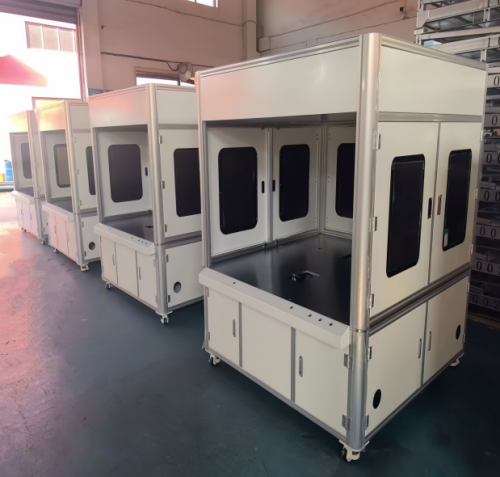
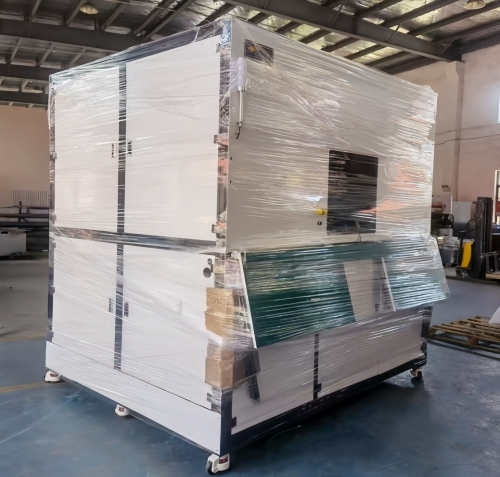
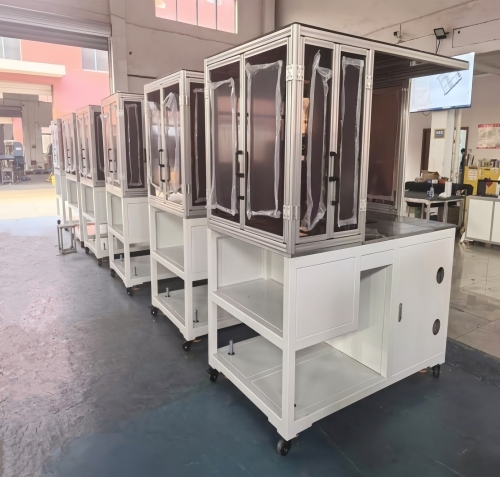
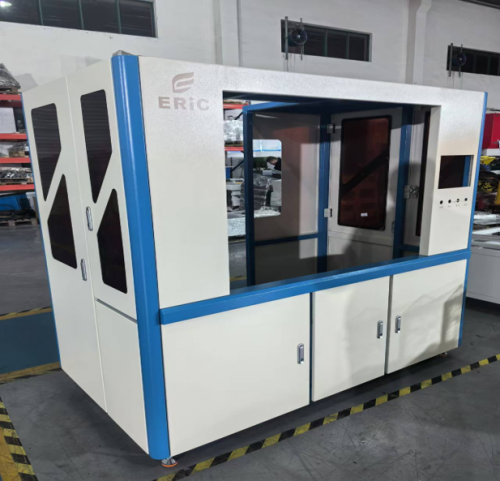
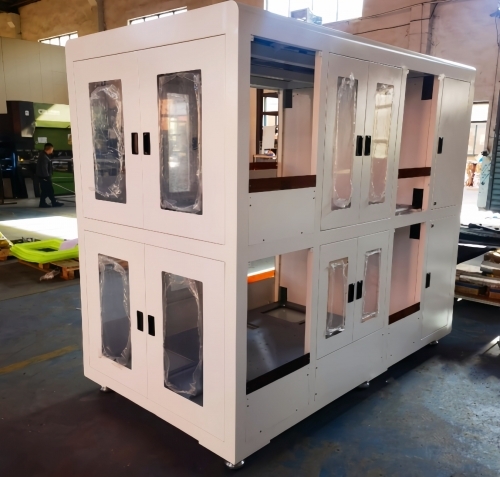
With the rapid development of technology, sheet metal processing has long penetrated every aspect of industrial production and daily life—from small items like computer cases and home appliance parts to large-scale products such as equipment cabinets, industrial racks, and automotive components. Almost all metal products rely on sheet metal technology. So, how does an ordinary metal sheet transform into an exquisite workpiece that balances functionality and precision?
The core logic of sheet metal processing is "shape on demand, precise manufacturing." The process is flexibly adjusted based on the complexity of the workpiece—complex workpieces may require more than a dozen processes—but generally follows a standardized "raw material to finished product" path, as detailed below:
The processing starts with accurate demand conversion. First, the technical department designs the workpiece according to customer requirements and issues detailed processing drawings (including key parameters such as dimensional tolerances and process requirements). After review and confirmation, the process moves to material selection.
Common materials for sheet metal processing are tailored to different application scenarios:
Cold-rolled steel sheet: Cost-effective, suitable for structural parts with general appearance requirements;
Hot-rolled steel sheet: High strength, used for heavy equipment enclosures or brackets;
Galvanized sheet: Excellent corrosion resistance, commonly used in outdoor equipment and electrical cabinets;
Copper/aluminum sheet: Good electrical and thermal conductivity, suitable for precision electronics and new energy equipment;
Stainless steel: Rust-resistant and easy to clean, widely applied in medical instruments, food machinery, and other scenarios.
Cutting is a key step to cut the entire metal sheet into blanks required for the workpiece. The processing method is selected based on material type, thickness, and precision requirements:
Laser cutting: High precision and smooth cuts, suitable for high-precision processing of complex shapes and sheets of varying thicknesses;
Shearing: High efficiency and low cost, ideal for cutting simple rectangular sheets in large quantities;
Blanking: Using dies for stamping forming, enabling one-time processing of holes, grooves, and other structures, suitable for standardized parts;
Bending and forming: Some simple bending structures can be completed simultaneously during cutting to reduce subsequent processes.
After cutting, the edges of the blank will have burrs and sharp corners. If not treated, these will affect the subsequent assembly precision and surface quality. This step involves grinding and deburring to smooth the workpiece edges, ensuring dimensional accuracy and a clean appearance, and preparing for subsequent processes.
According to the design requirements of the workpiece, targeted secondary processing processes are carried out, including:
Spot welding: Used for temporary fixing or precision splicing of components to avoid welding deformation;
Riveting: Firmly connecting nuts, screws, and other fasteners to the sheet using a riveting machine to improve assembly efficiency;
Tapping: Processing internal threads on the sheet to facilitate subsequent threaded connection of components;
Bending: Bending the sheet into the required angle (e.g., 90°, 135°) using a CNC bending machine to form a three-dimensional structure;
Flanging: Flanging holes or edges to enhance workpiece strength and assembly stability.
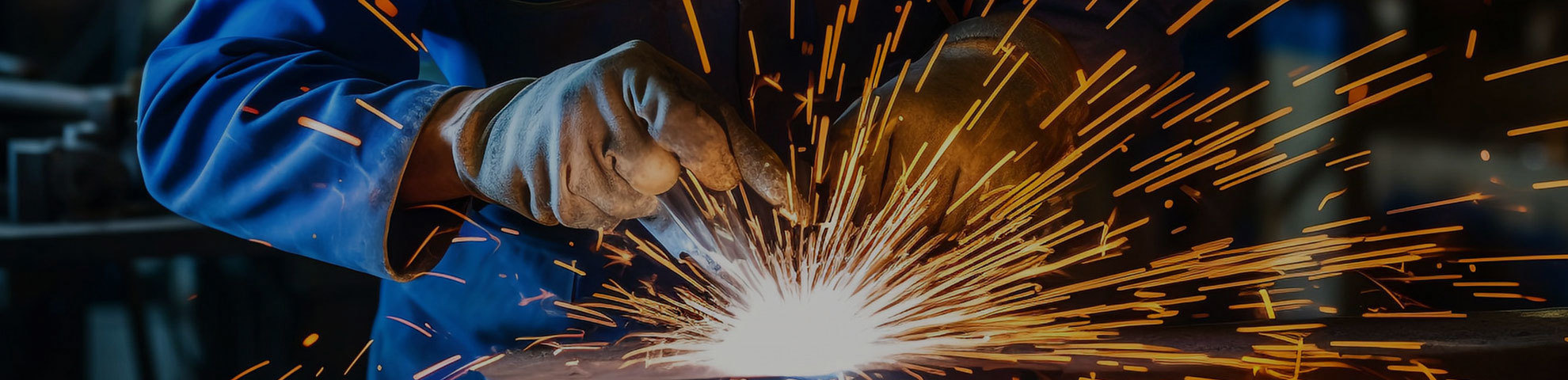
Processed components are spliced into complete workpieces through welding. Common welding methods include:
Argon arc welding: High welding quality and aesthetic weld seams, suitable for precision workpieces such as stainless steel and aluminum sheets;
CO2 welding: High efficiency and low cost, suitable for mass welding of carbon steel and low-alloy steel workpieces.
After welding, grinding is performed again to remove weld reinforcement and spatter, ensuring a flat workpiece surface.
The final step is surface treatment, which not only improves the corrosion resistance and wear resistance of the workpiece but also optimizes its appearance to adapt to different application scenarios:
Spraying: Forming a uniform coating on the workpiece surface through electrostatic spraying, powder coating, etc., with customizable colors, suitable for equipment enclosures, racks, etc.;
Electroplating: Plating metal layers such as zinc, chromium, and nickel on the workpiece surface to enhance corrosion resistance and conductivity, suitable for precision components and electronic accessories;
Other treatments: Such as pickling and phosphating (improving coating adhesion) and anodizing (mostly used for aluminum sheets to enhance hardness and wear resistance).
Through the above processes, an ordinary metal sheet ultimately completes the transformation from "flat to three-dimensional, from rough to exquisite." The core advantage of sheet metal processing lies in its flexibility to adapt to customized needs—whether it is a simple bracket or a complex industrial equipment enclosure, it can achieve dual guarantees of precision and performance through standardized processes and refined craftsmanship. This is the key reason why it is widely used in various fields of manufacturing.